Analyzing Biometric Verification Layers That Streamline Secure Access to Tiered Rewards in Portable Table Game Environments
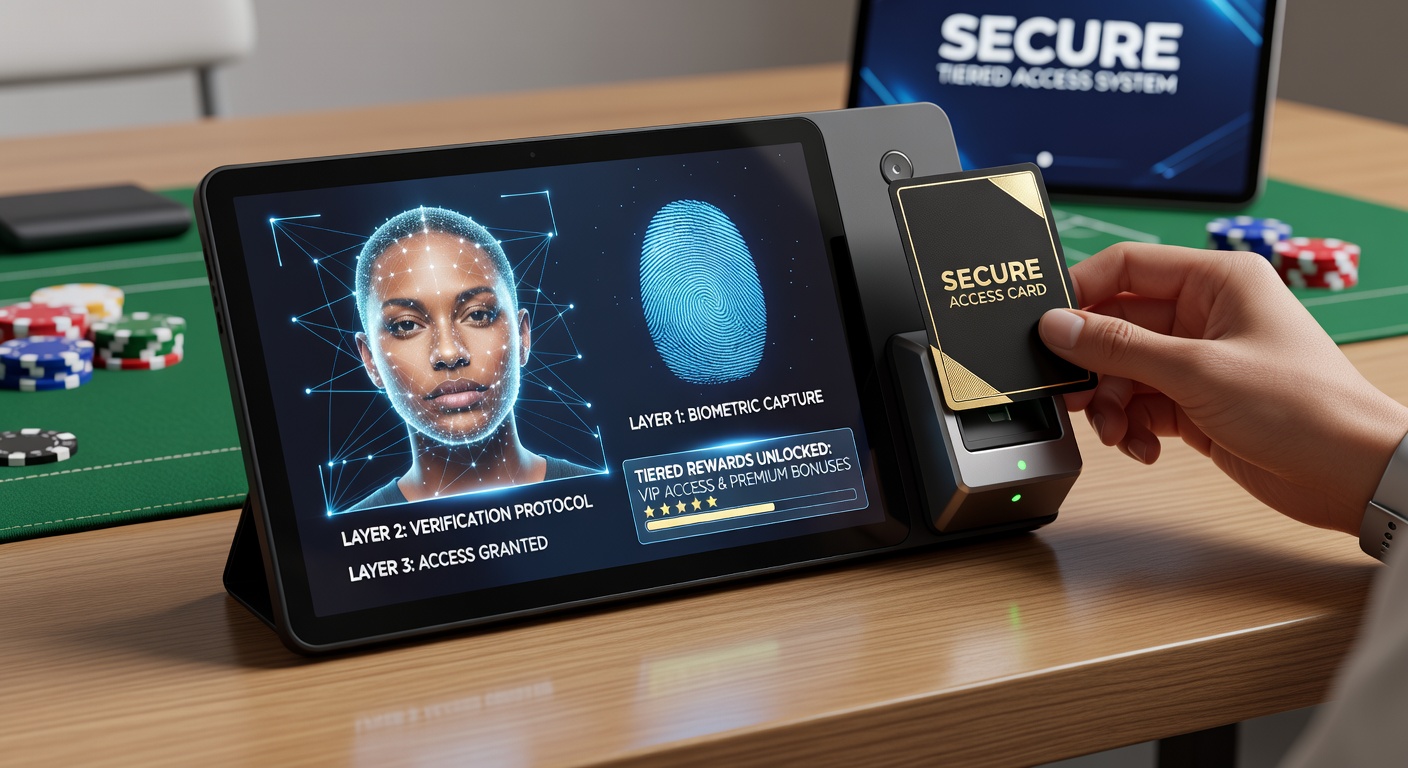
Biometric verification has become a standard component in portable table game platforms where operators manage tiered rewards programs that require secure user authentication before granting access to bonuses and loyalty benefits. Systems combine fingerprint scanning with facial recognition and behavioral analytics to create multiple layers that verify identity in real time while players move between blackjack tables and poker rooms on mobile devices.
How Multi-Layer Biometric Systems Function in Table Game Apps
Portable environments present unique challenges because users switch networks and locations frequently yet still need uninterrupted access to progressive reward tiers. Developers integrate device sensors that capture biometric data during login and again at key moments such as when a player reaches a new loyalty level or redeems accumulated points. Research indicates that combining physiological traits with usage patterns reduces unauthorized account access by measurable margins according to reports from the Alcohol and Gaming Commission of Ontario.
Initial verification often starts with a simple fingerprint match stored locally on the device while subsequent checks pull facial data through the front camera and compare it against an encrypted template held on secure servers. Behavioral signals including swipe speed and session duration add another dimension that flags anomalies without interrupting gameplay. Those who've studied these implementations note that the process typically completes in under two seconds which keeps table action flowing smoothly.
Integration with Tiered Rewards Structures
Tiered rewards in table game settings usually progress from basic entry bonuses to premium perks such as exclusive tournament seats and higher cashback percentages. Biometric layers ensure that only verified accounts advance through these stages by confirming identity each time a threshold is crossed. Data from industry audits shows that platforms adopting these controls experience fewer disputes over reward eligibility because players cannot share accounts to pool progress toward higher tiers.
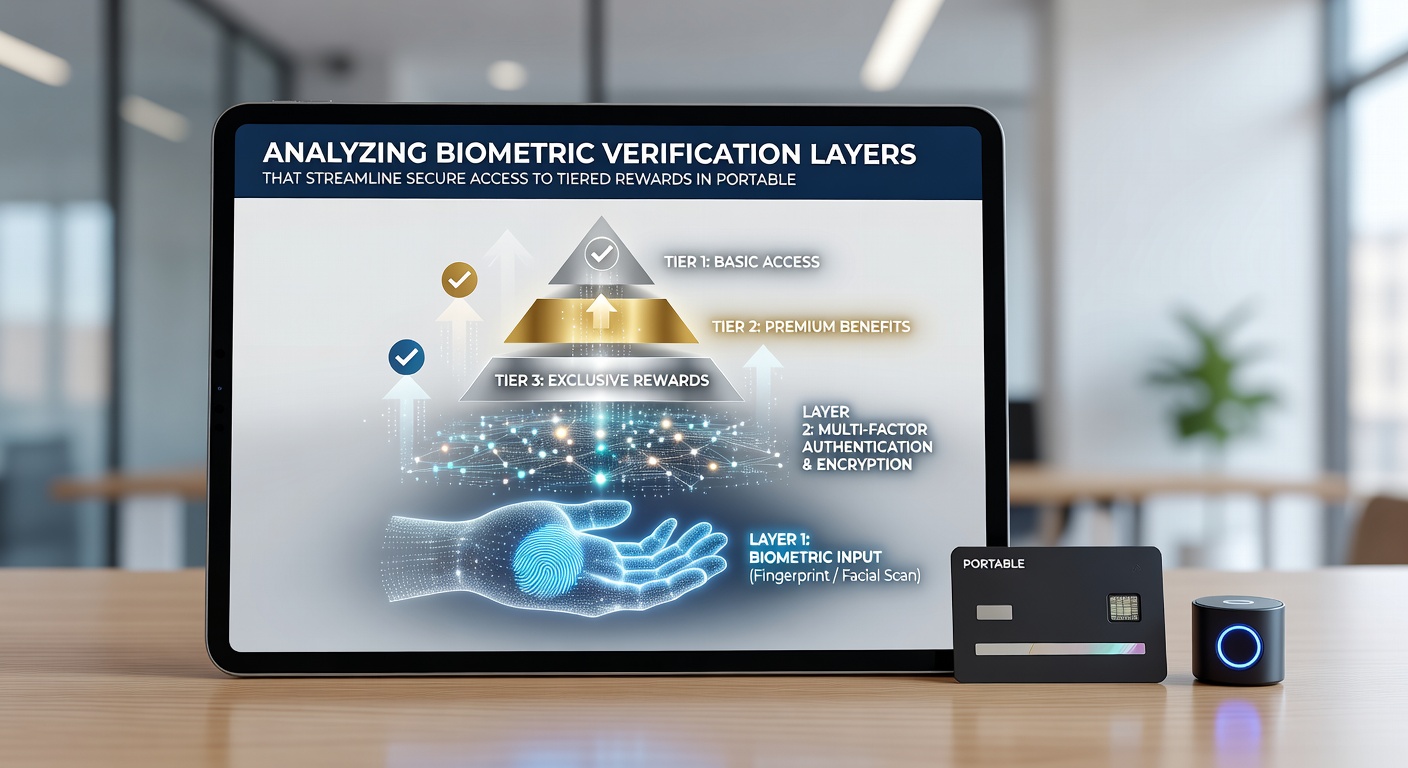
Operators configure rules so that reaching a silver tier triggers an additional facial scan while gold tier access may require both facial and behavioral confirmation within the same session. This graduated approach balances security demands with user convenience since lower tiers remain accessible with lighter checks. In May 2026 several major platforms expanded these systems across new portable table offerings which aligned with broader regulatory guidance on digital identity management in gaming.
Technical Considerations and Standards Compliance
Engineers must address variables such as lighting conditions and device hardware differences that affect facial recognition accuracy during outdoor play sessions. Standards bodies including the Nevada Gaming Control Board have published technical bulletins outlining minimum performance thresholds for biometric false acceptance and rejection rates. Compliance requires ongoing testing cycles that simulate real-world movement and network handoffs common in portable use.
Encryption protocols wrap biometric templates so raw images never leave the device in unprocessed form while servers store only mathematical representations. Updates to these protocols occur regularly to counter emerging spoofing techniques that attempt to bypass layers with photos or recordings. Observers note that platforms conducting quarterly audits maintain higher compliance scores across multiple jurisdictions.
Operational Benefits Observed in Live Deployments
Case studies from operators who rolled out biometric verification reveal reductions in account takeover incidents alongside faster reward processing times. Players who complete initial enrollment report smoother transitions when claiming tier benefits because the system recognizes them automatically on subsequent logins. Figures from platform analytics indicate that average session lengths increase modestly once biometric friction is minimized through optimized sensor calibration.
Support teams handle fewer identity verification tickets after biometric rollout since automated layers resolve most routine checks. This shift allows staff to focus on complex cases involving regulatory reporting requirements rather than basic account recovery. Those managing large player bases find the approach scales effectively across regions with varying data protection rules.
Conclusion
Biometric verification layers continue to evolve as portable table game environments expand and reward structures grow more complex. The combination of device-level matching with server-side validation creates secure pathways that protect both operators and players while supporting seamless tier progression. Ongoing refinements in sensor technology and regulatory alignment suggest these systems will remain central to identity management in mobile gaming platforms for the foreseeable future.