Charting adaptive encryption protocols that sustain uninterrupted access to progressive accumulation systems across handheld interactive dealer sessions
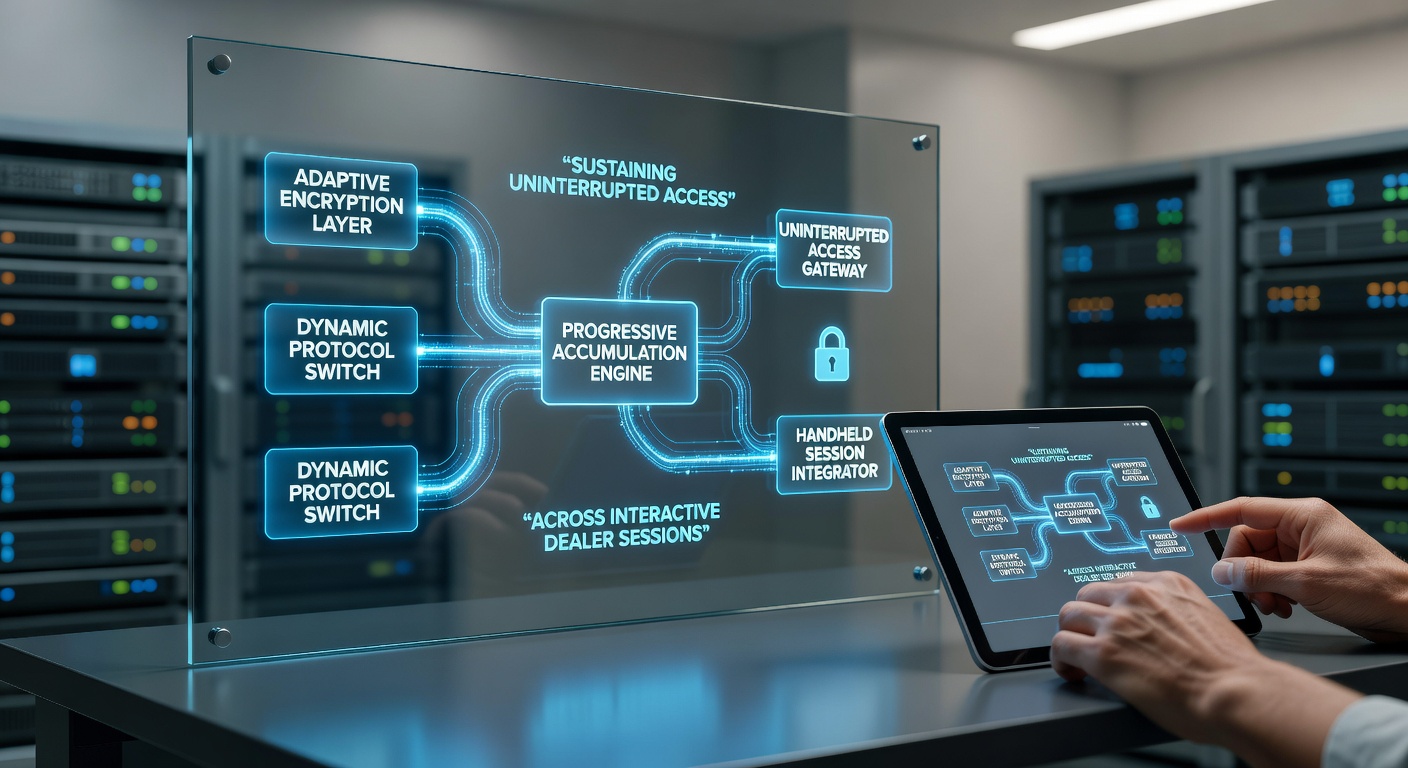
Adaptive encryption protocols have emerged as essential components in mobile platforms that host live dealer sessions while supporting progressive accumulation systems, and these protocols adjust in real time to maintain session continuity when network conditions shift or potential threats appear. Developers integrate dynamic key rotation with transport layer security extensions so that players on handheld devices retain access to accumulating prize pools without interruption during dealer interactions that span multiple rounds.
Core mechanisms behind adaptive encryption in live dealer environments
Research indicates that protocols often combine elliptic curve cryptography with machine learning models trained on traffic patterns, allowing the system to detect anomalies and escalate encryption strength without pausing the stream from the dealer table. Data from industry reports shows these adjustments occur in milliseconds, preserving the flow of bets into progressive meters that grow across thousands of concurrent handheld sessions. Observers note that such systems rely on continuous authentication tokens refreshed at variable intervals, which prevents session hijacking while the progressive accumulation continues uninterrupted.
Standards from the National Institute of Standards and Technology guide many of these implementations, particularly in post-quantum resistant algorithms that prepare platforms for future computational threats. Platforms apply these methods across both iOS and Android environments so that players experience consistent access to the same accumulating jackpot regardless of device or carrier network fluctuations.
Integration with progressive accumulation across mobile sessions
Progressive systems accumulate contributions from every qualifying bet placed during interactive dealer rounds, and adaptive encryption ensures the contribution data reaches the central meter without exposure even when players switch between Wi-Fi and cellular connections mid-session. Engineers design the protocols to maintain state synchronization, so the displayed jackpot total updates seamlessly on the handheld screen while the underlying encryption layer adapts to packet loss or latency spikes. Figures from platform audits reveal that downtime related to encryption handshakes has dropped significantly in deployments that use predictive pre-fetching of session keys.
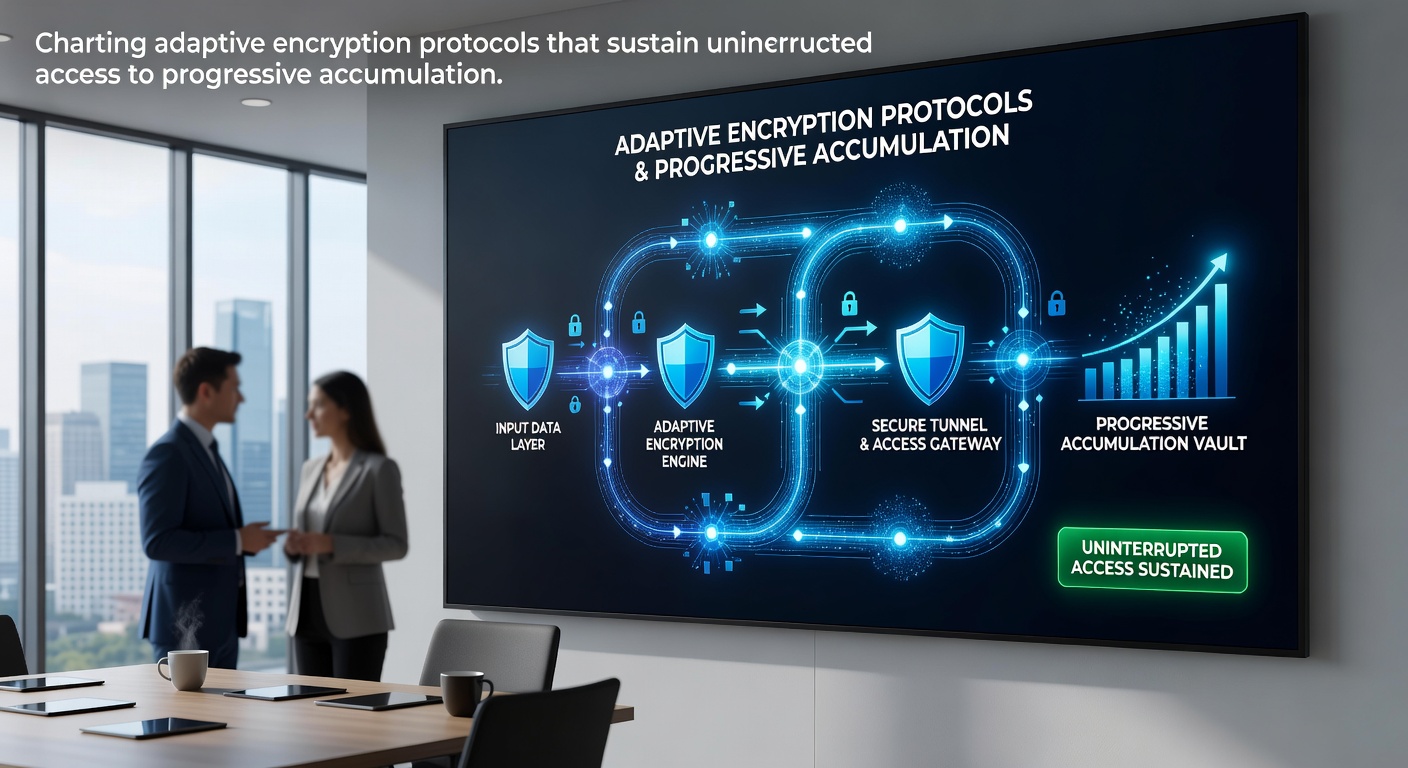
Developers incorporate side-channel resistance techniques that protect against timing attacks during the dealer’s card reveals, yet these measures do not add perceptible delay to the progressive meter updates visible to players. In May 2026 several major operators began rolling out unified protocol stacks that merge these features with regional compliance requirements, resulting in broader availability of uninterrupted mobile progressive play across multiple jurisdictions.
Deployment patterns observed in current handheld platforms
Operators deploy these protocols through over-the-air updates that push new encryption parameters to active sessions, allowing the progressive accumulation to proceed without requiring players to restart their dealer tables. Reports from the American Gaming Association highlight how such seamless updates have become standard practice among licensed mobile providers seeking to meet both security benchmarks and player retention metrics. The architecture typically separates the encryption management layer from the game logic, which means changes to cipher suites or key lengths occur independently of the dealer stream itself.
Case studies document instances where adaptive protocols successfully countered distributed denial-of-service attempts while the jackpot continued to climb in real time, demonstrating that the system prioritizes both security and continuity. Those who have examined the telemetry data note that average session duration on encrypted progressive mobile tables has lengthened as connection stability improved.
Regulatory and technical considerations shaping future updates
Regulators in multiple regions require documentation of encryption adaptability to ensure player funds and jackpot integrity remain protected during extended dealer sessions on handheld devices. Technical working groups continue to refine specifications that address emerging network technologies such as 5G slicing, which can further reduce latency in key exchanges without compromising the progressive accumulation process. Evidence suggests that platforms adopting these refinements report fewer encryption-related disconnections, supporting sustained access across diverse geographic markets.
Conclusion
Adaptive encryption protocols now form the backbone of secure, continuous access to progressive systems in mobile live dealer environments, and ongoing refinements tied to standards bodies and industry data keep these systems aligned with both technical threats and regulatory expectations. As deployment expands through 2026 and beyond, the focus remains on maintaining uninterrupted jackpot growth for players engaged in handheld interactive sessions.