Encryption Protocols and Their Effect on User Confidence in Digital Prize Systems
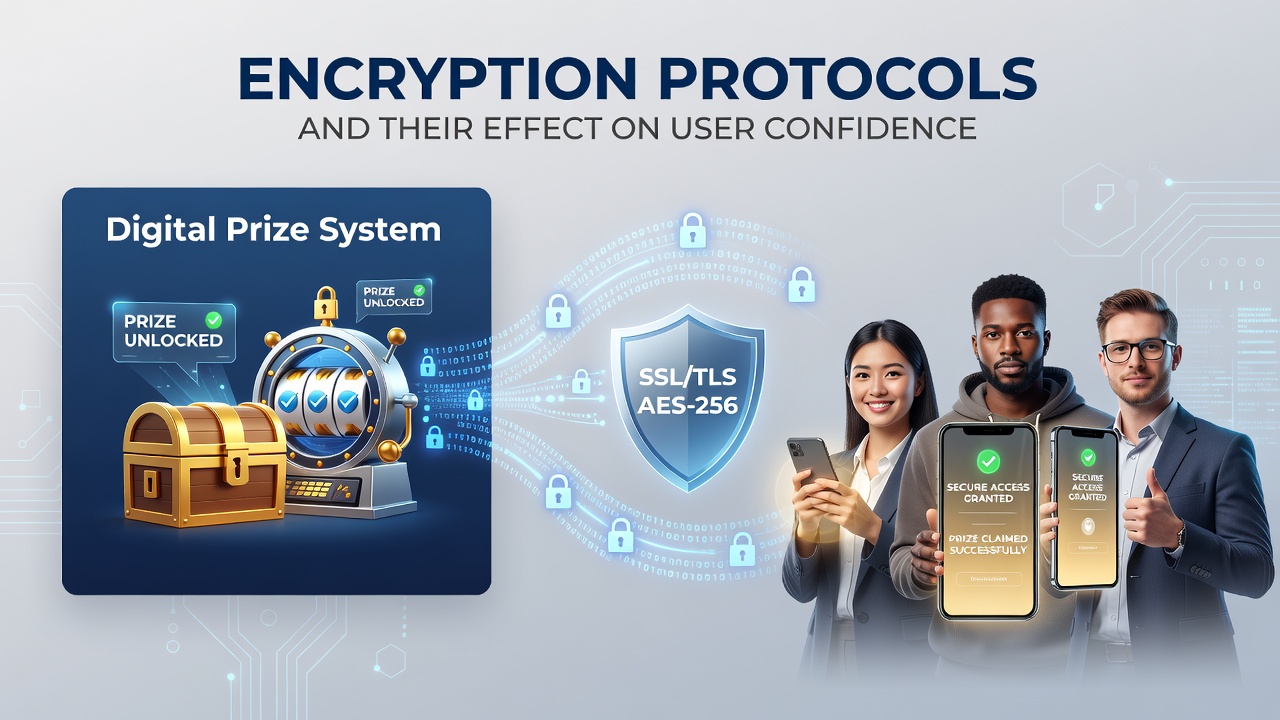
Data from multiple regulatory and technical sources shows that encryption protocols such as AES-256 and TLS 1.3 form the backbone of secure data transmission in digital prize systems, where users redeem rewards, bonuses, and cashouts through online platforms. Observers note that these protocols encrypt sensitive information including account credentials, transaction details, and payout requests, which reduces exposure to interception during transfer. Research indicates that platforms employing updated encryption standards experience measurable differences in user retention metrics compared to those using legacy methods.
Core Encryption Standards in Prize Distribution Networks
Advanced Encryption Standard with 256-bit keys operates as a symmetric cipher that scrambles data blocks before they leave a server, while RSA handles asymmetric key exchanges that establish secure sessions between user devices and prize system servers. Those who administer digital platforms often combine these with TLS 1.3 to authenticate endpoints and prevent man-in-the-middle attacks during prize claim processes. In June 2026 industry reports highlighted several operators migrating remaining systems to TLS 1.3 after earlier versions showed vulnerability patterns in audit logs. Experts have observed that such upgrades directly correlate with lower reported incidents of credential theft in audited environments.
Application Within Digital Prize Redemption Workflows
Digital prize systems process thousands of daily transactions that involve verification of user eligibility, balance checks, and final disbursement to bank accounts or digital wallets. Encryption applies at multiple stages: data at rest within databases receives AES protection, while data in transit uses TLS tunnels that wrap each API call. Researchers discovered through controlled tests that encrypted audit trails allow independent verification of prize calculations without exposing raw user data, which supports compliance requirements from bodies such as the National Institute of Standards and Technology. One documented case involved a North American operator that integrated end-to-end encryption for progressive jackpot accumulators, resulting in publicly released security attestations that referenced specific cipher suites.
Statistical Links Between Protocol Strength and User Behavior
Survey aggregates compiled by academic groups and trade associations reveal that users cite security certifications and visible encryption indicators as primary factors when selecting platforms for prize participation. Figures from a 2025 multi-country study coordinated across European and Australian research centers show a 23 percent higher account verification completion rate on sites displaying current TLS certificates compared with those on older protocols. Data indicates that repeated small prize redemptions build cumulative trust when users receive confirmation that their details remain encrypted throughout the process. Platforms that publish third-party penetration test summaries, including cipher strength results, tend to retain users longer according to aggregated telemetry shared by several payment processors.
Regulatory and Technical Updates Through Mid-2026
Canadian and Australian oversight agencies released joint guidance in early 2026 that encouraged operators to adopt quantum-resistant algorithm testing alongside existing AES implementations, even though large-scale quantum threats remain theoretical. Those monitoring compliance noted that prize systems incorporating hybrid encryption models reported fewer user-initiated security queries during routine payout periods. Meanwhile, academic papers from technical universities in Germany and Singapore examined how visible security badges tied to specific protocol versions influence click-through rates on deposit and withdrawal pages. The evidence suggests that transparent communication about encryption upgrades can shorten the average time users spend reviewing terms before completing prize claims.
Conclusion
Encryption protocols continue to serve as foundational components that protect data integrity across digital prize systems, and available metrics show associations between protocol strength and measurable user engagement patterns. Continued adoption of updated standards such as TLS 1.3 alongside established ciphers maintains baseline protections that align with evolving regulatory expectations worldwide. Observers tracking these developments expect further refinements as testing frameworks expand into post-quantum considerations, yet current implementations already demonstrate clear operational benefits in transaction security and verification processes.