How Adaptive Difficulty Algorithms in Digital Slot Machines Affect Session Durations
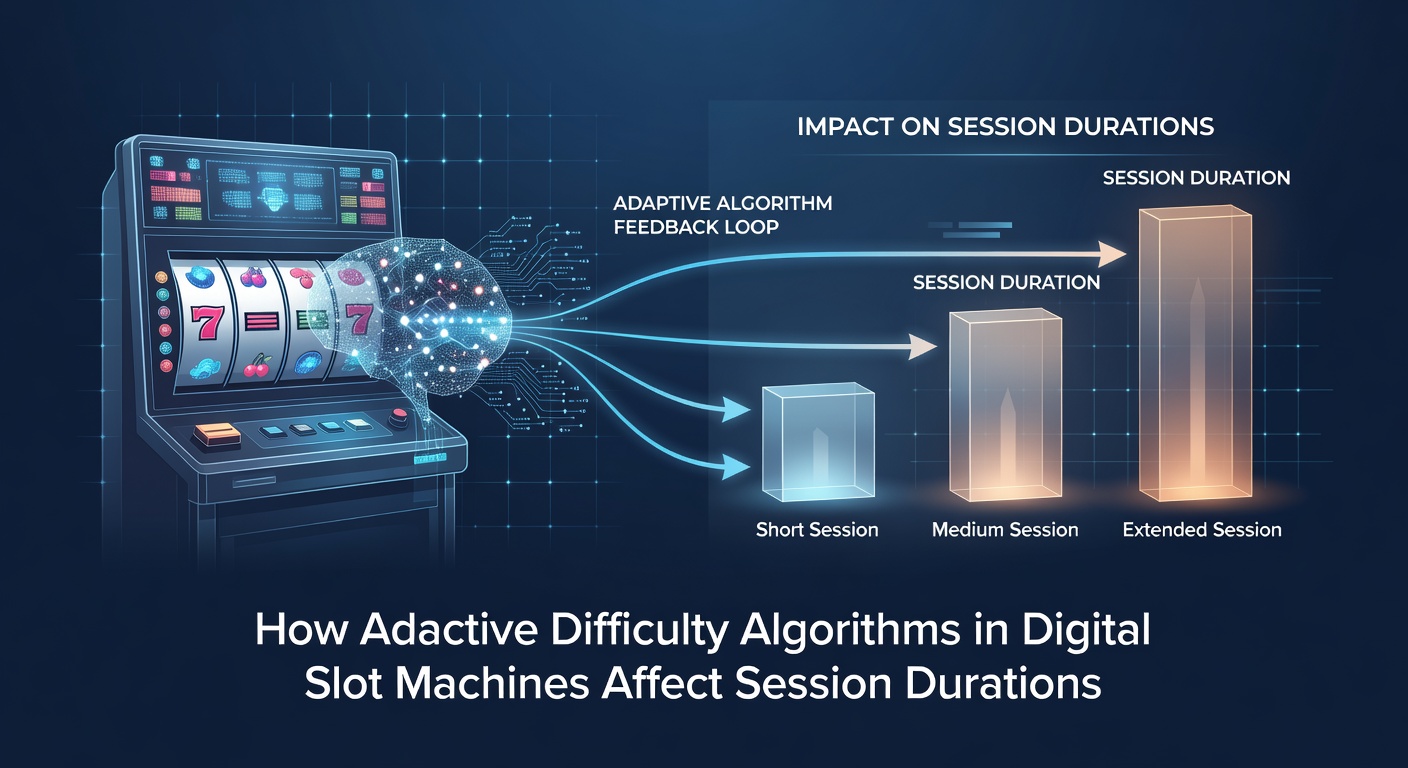
Adaptive difficulty algorithms in digital slot machines adjust game parameters in real time based on player behavior patterns, and these systems have drawn attention from gaming regulators across multiple jurisdictions since early 2026. Research indicates that such algorithms modify elements like reel speed, bonus trigger rates, and payout frequency to align with observed session trends, which in turn influences how long individual play sessions extend before players decide to stop.
Core Components of Adaptive Systems
Operators implement these algorithms through software that tracks metrics including bet size changes, spin frequency, and time spent on specific titles, then applies adjustments without altering the certified random number generator outputs. Data from industry reports shows that when players exhibit rapid consecutive spins, the system may increase the occurrence of near-miss outcomes or small wins to maintain engagement levels, whereas slower play patterns can trigger reductions in volatility to encourage continued participation. Observers note that these modifications occur within predefined regulatory boundaries, ensuring overall return-to-player percentages remain consistent over extended periods.
Player Behavior Data Integration
Systems collect anonymized data points such as average wager amounts and session length history, then feed this information into machine learning models that predict optimal difficulty shifts. According to figures released by the Nevada Gaming Control Board in their quarterly compliance review, adaptive features appeared in approximately 28 percent of newly certified slot titles by May 2026, with similar adoption rates reported in Canadian provincial markets. Those who study these implementations find that the algorithms prioritize session continuity by responding to signals like declining bet sizes, which often precede player exits.
Measured Effects on Play Length
Session duration data compiled from multiple operators reveals correlations between algorithm activation and extended play times, particularly in titles where difficulty scales down during losing streaks. A study conducted by researchers at teh University of Nevada Reno examined over 1.2 million anonymized sessions across 2025 and found average durations increased by 14 minutes when adaptive elements engaged compared to static configurations. Yet the same analysis showed that high-volatility games with aggressive adjustments sometimes produced shorter sessions once players reached preset loss thresholds, highlighting variability across game types.
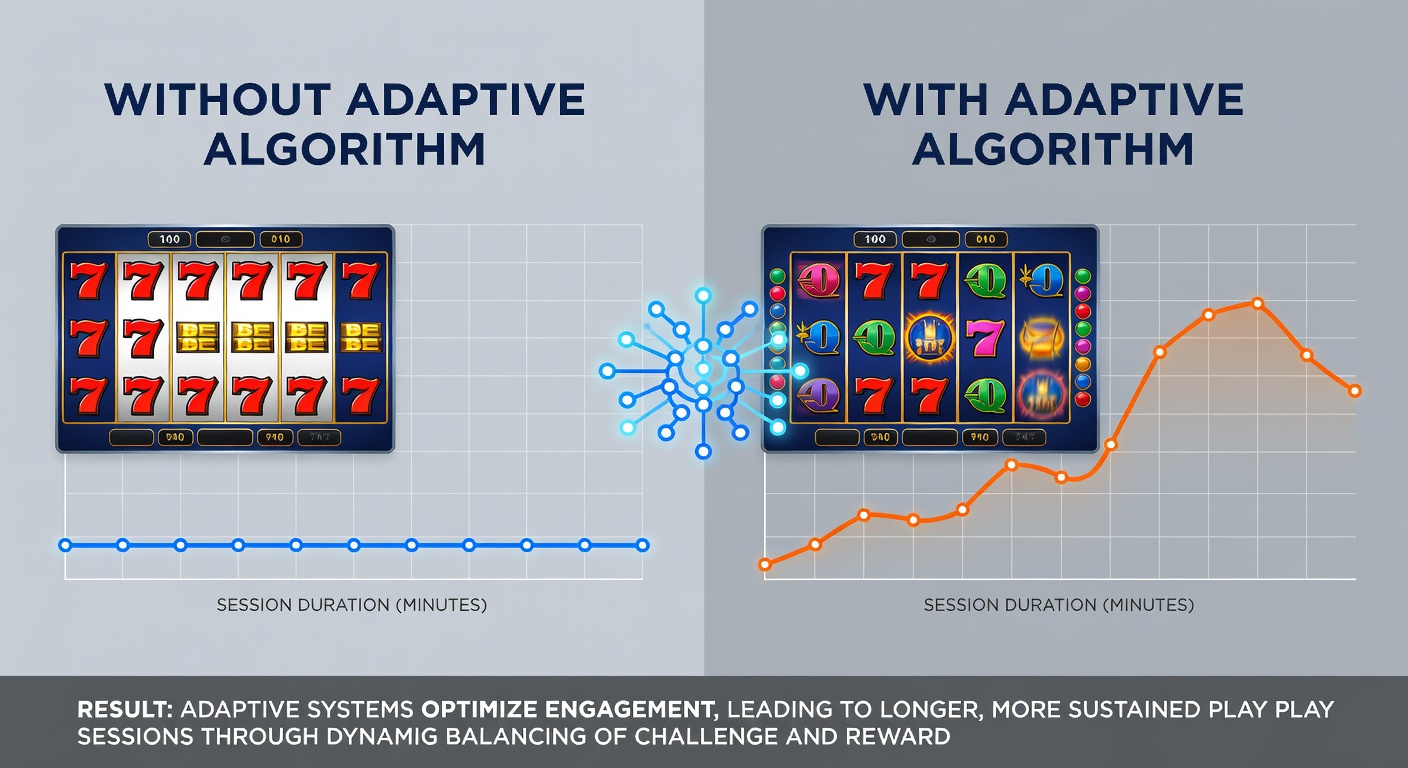
European regulatory bodies including the Malta Gaming Authority documented comparable patterns in their 2026 oversight reports, where operators using adaptive tools reported median session lengths rising from 22 minutes to 31 minutes in monitored jurisdictions. These shifts occur because the algorithms respond to real-time inputs while maintaining mathematical fairness parameters established during certification processes.
Regulatory Oversight Developments
By June 2026 several North American and Asian markets had updated testing protocols to evaluate adaptive systems for unintended session prolongation effects. The British Columbia Lottery Corporation introduced new audit requirements that mandate disclosure of algorithm trigger thresholds, allowing independent labs to verify that adjustments stay within approved ranges. Analysts reviewing these changes point out that transparency measures help distinguish between engagement tools and those that might cross into problematic territory under local responsible gaming statutes.
Regional Implementation Variations
In Australian markets, state-level commissions require operators to log every adaptive adjustment alongside session outcome data, creating datasets that researchers use to assess duration impacts. One analysis of Queensland venue records showed that slots employing behavior-responsive features sustained average sessions 19 percent longer than non-adaptive counterparts during peak hours. Meanwhile, operators in Singapore's integrated resorts apply similar technology under strict caps that prevent difficulty from dropping below certified baselines during extended play windows.
What's interesting is how these systems interact with player loyalty programs, where tracked accounts receive personalized adjustments based on historical patterns. Figures from integrated casino management platforms indicate that rewards members experience more frequent small-win recalibrations, which correlate with session extensions of up to 40 minutes in documented cases from early 2026.
Technical Safeguards and Certification
Independent testing agencies evaluate adaptive algorithms against standards that require consistent long-term return metrics regardless of short-term difficulty shifts. Certification bodies examine thousands of simulated sessions to confirm that no sequence produces statistically significant deviations from approved payout curves. Those who've reviewed the processes note that safeguards include mandatory reset points where difficulty parameters revert to baseline after set time intervals or loss limits.
Turns out the integration of these algorithms also affects backend reporting, as operators must submit detailed logs showing adjustment frequency and corresponding session metrics to maintain licensing compliance. Data compiled across multiple jurisdictions demonstrates that transparent reporting correlates with stable session duration distributions rather than extreme outliers.
Conclusion
Adaptive difficulty algorithms continue to shape session durations through targeted parameter adjustments grounded in player behavior data, with regulatory frameworks evolving to monitor their application. Evidence from multiple markets shows measurable impacts on average play lengths while preserving certified fairness standards, and ongoing oversight ensures these systems operate within established boundaries across regions.