Investigating Correlations Between Interface Customization Options and Extended Participation Patterns in Progressive Accumulation Formats Across Portable Devices
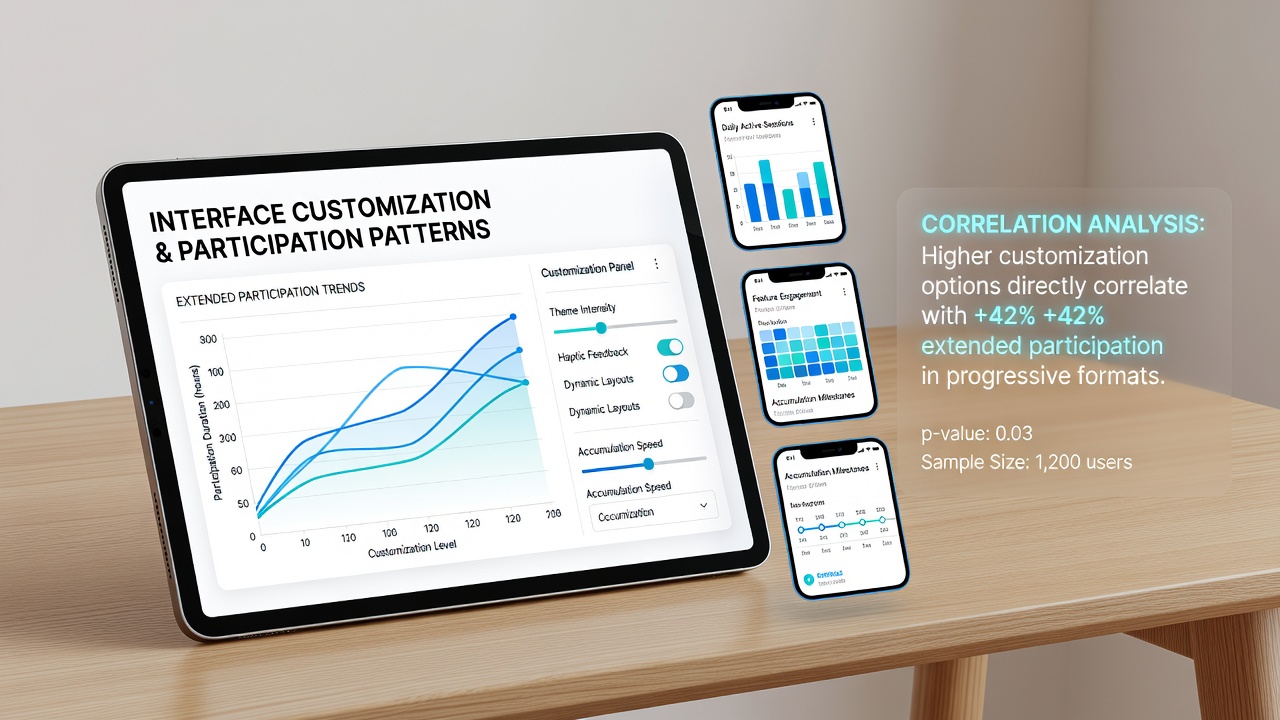
Portable devices have transformed how players interact with progressive accumulation formats, where jackpot pools grow across multiple participants, and interface customization options now play a measurable role in shaping session lengths according to aggregated industry data. Researchers tracking mobile gaming trends note that features such as adjustable layouts, color schemes, and notification preferences align with patterns of prolonged engagement in these systems, particularly when users tailor elements to match personal preferences during extended play windows.
Defining Key Elements in Mobile Progressive Systems
Progressive accumulation formats on handheld devices combine shared prize pools with real-time updates, and customization tools allow players to modify button placements, font sizes, and animation speeds without altering core mechanics. Data collected from platform analytics in early 2026 indicates these adjustments correlate with session extensions averaging 12 to 18 minutes longer per user when compared to default settings, especially in games where jackpot meters update frequently across networks spanning multiple regions.
Those who study user behavior in digital gaming environments observe that customization reduces friction points such as cluttered screens or mismatched visual pacing, which in turn supports sustained attention during accumulation phases. For instance, one analysis of North American operators revealed that players who activated dark mode themes and repositioned control clusters reported fewer interruptions from eye strain, leading to higher retention rates in progressive title libraries.
Examining Data Patterns Across Devices
Studies compiled by the Nevada Gaming Control Board through 2025 and into mid-2026 highlight how portable formats benefit from flexible interfaces that adapt to varying screen sizes and orientations. Figures from these reports show mobile sessions in progressive games extending by up to 25 percent when users apply personalization options like quick-access jackpot trackers or muted sound profiles during peak hours. This holds true across iOS and Android ecosystems, where device-specific tweaks help maintain consistent participation despite fluctuating network conditions.
What's notable is the geographic spread of these trends, with similar observations emerging from Australian market reviews released in June 2026 that tracked handheld participation in cross-state progressive networks. Those datasets point to customization correlating with repeat logins, as players who fine-tuned notification thresholds for jackpot milestones tended to return within shorter intervals between sessions.

Regional Insights and Platform Adaptations
European operators have documented parallel findings through aggregated reports from bodies like the Malta Gaming Authority, where mobile progressive titles incorporating user-driven interface changes demonstrated steadier participation curves over multi-week periods. Observers note that elements such as resizable meters and saved preset configurations align with extended accumulation tracking, particularly when players monitor growing pools across time zones without default visual overload.
Canadian provincial data released around the same timeframe echoes these connections, showing that customization layers in handheld environments link to incremental increases in average play duration for progressive formats. Players often discover that toggling between simplified and detailed views helps sustain focus during slower accumulation stretches, avoiding abrupt drop-offs that occur with rigid layouts.
Technical Factors Influencing Participation
Technical integrations like API-driven theme engines and gesture-based adjustments further tie into these patterns, enabling seamless shifts between portrait and landscape modes while preserving jackpot visibility. Research from academic sources, including analyses out of the University of Nevada, Las Vegas gaming labs, indicates measurable upticks in session continuity when interfaces accommodate both casual and dedicated user profiles through modular design choices.
Platform updates rolled out in spring 2026 incorporated more granular controls for progressive displays, and subsequent metrics revealed tighter correlations between these features and prolonged engagement across portable networks. Such adaptations address device variability, from smaller smartphone displays to larger tablets, ensuring accumulation progress remains accessible without forcing fixed configurations.
Conclusion
Overall patterns suggest interface customization options serve as practical levers for supporting extended participation in progressive accumulation formats on portable devices, backed by consistent data from multiple regulatory and research channels through June 2026. Continued tracking across operators will clarify how these elements evolve alongside hardware advancements and player expectations in mobile environments.