Regional Licensing Variations and Their Correlation with Game Selection Diversity in Emerging Markets
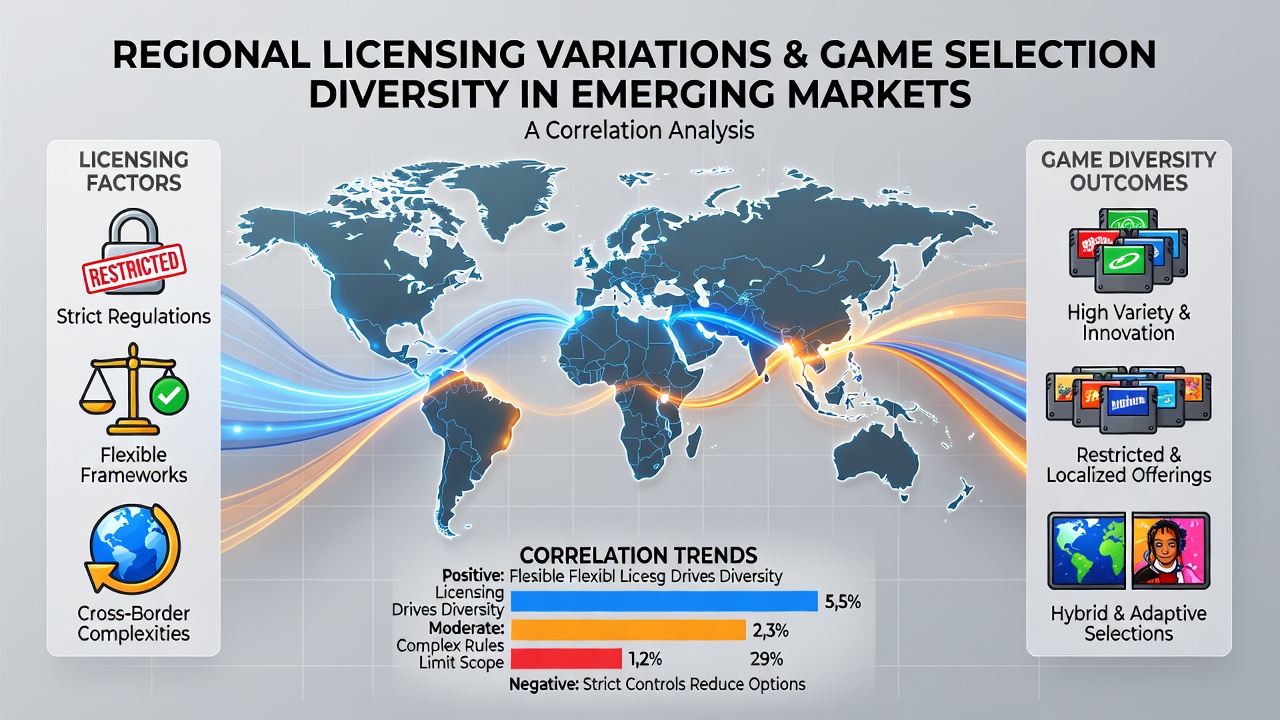
Emerging markets present distinct licensing structures that shape the range of available games in online and land-based casinos, with variations stemming from local regulatory priorities, cultural considerations, and economic policies. These frameworks often determine whether operators can offer slots, table games, sports betting, or live dealer options, creating measurable differences in player choices across regions.
Licensing Structures in Key Emerging Regions
Brazil's regulatory environment, updated through federal legislation in recent years, permits a broader array of slot and table game titles under state-level approvals, whereas India's state-by-state approach frequently restricts offerings to sports betting and skill-based games in certain jurisdictions. South African provinces maintain separate licensing boards that authorize varying combinations of electronic gaming machines and table games, leading to noticeable differences in selection diversity between Gauteng and Western Cape operators.
Observers note that Southeast Asian markets such as the Philippines and Vietnam apply centralized licensing models through bodies like the Philippine Amusement and Gaming Corporation, which allow extensive game portfolios including progressive jackpots and live casino formats. In contrast, several African nations outside South Africa limit licenses to lottery-style products or sports wagering, reducing the overall variety of digital slot and table options accessible to local players.
Patterns Linking Licenses to Game Diversity
Data from industry reports indicate that markets with tiered licensing systems tend to support greater game selection diversity because multiple license categories accommodate different product types. For instance, operators holding full casino licenses in Brazil gain access to thousands of slot titles alongside table games, while those restricted to betting licenses offer fewer interactive options. Research from academic sources shows similar correlations in Latin American jurisdictions where multi-category permits correlate with expanded libraries of low-volatility and high-volatility slots.
What's interesting is how these variations play out in practice as of June 2026, when several emerging markets introduced revised compliance requirements that further segmented game approvals. Markets enforcing strict content certification processes often see slower rollout of new titles, resulting in narrower selections compared to regions with streamlined review procedures.
Case Examples from 2025-2026 Developments
One study revealed that Vietnamese operators under teh updated national framework expanded their game libraries by incorporating additional live dealer tables after receiving supplementary approvals, whereas neighboring markets with single-category licenses maintained more static offerings focused primarily on sports betting. Figures from regulatory filings in Mexico demonstrate that states issuing comprehensive online gaming permits recorded higher numbers of distinct game providers active in their jurisdictions.
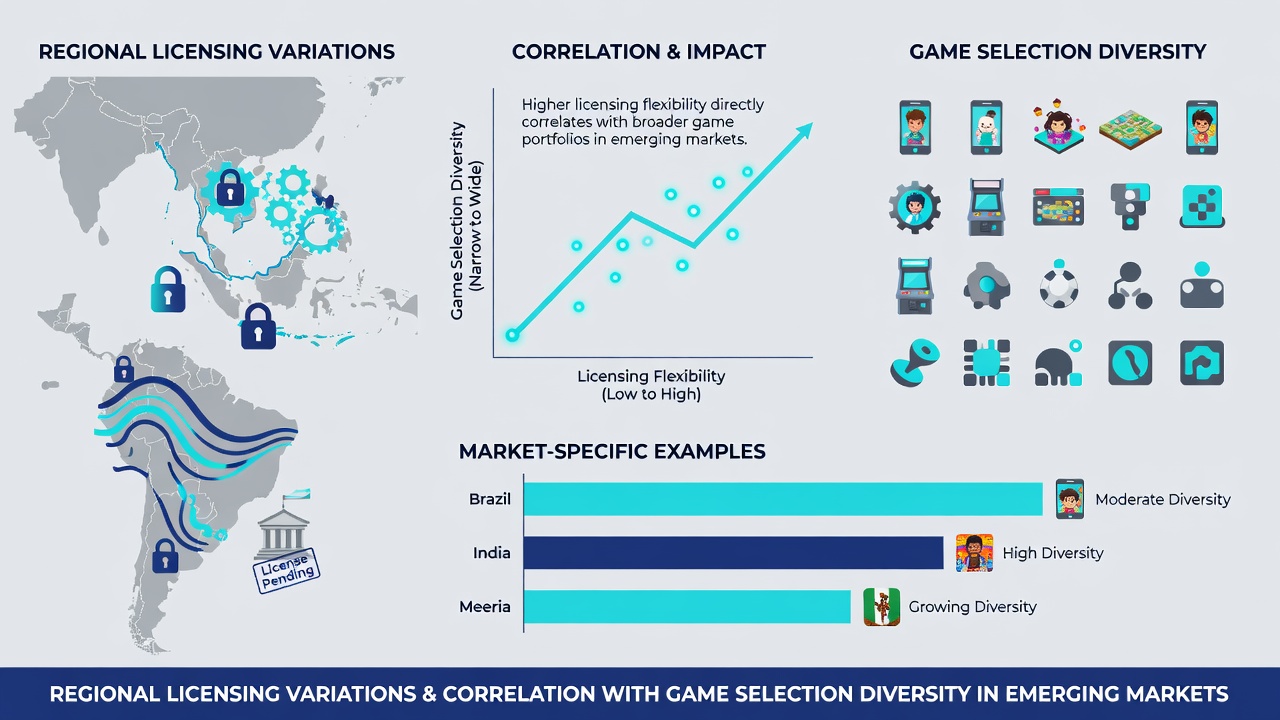
Those who've examined transaction data across platforms find that regions permitting both slots and table games under unified licenses attract more international game suppliers, increasing the total count of available titles. In markets where licenses separate sports betting from casino products, player access remains confined to fewer categories, producing measurable gaps in diversity metrics tracked by analytics firms.
Regulatory Influences on Supplier Participation
Industry organizations such as the South African National Gambling Board publish statistics showing how provincial license conditions affect the number of certified game providers operating locally. Similar patterns appear in reports from Latin American associations, where streamlined multi-game approvals coincide with greater participation from established software developers.
Academic analyses of emerging market data further indicate that licensing fees and content review timelines influence which suppliers enter specific regions, indirectly shaping the breadth of game mechanics, themes, and volatility levels available to players. Markets with lower barriers for additional game categories consistently register higher counts of unique titles in operator catalogs.
Conclusion
Regional licensing variations establish clear parameters for game selection diversity in emerging markets, with multi-category permits generally supporting wider offerings while single-focus licenses constrain options to specific product types. Evidence from regulatory filings and market analyses continues to document these relationships across Brazil, South Africa, Southeast Asia, and other developing jurisdictions through mid-2026, providing a factual basis for understanding how policy frameworks guide the composition of available gaming libraries.