Regulatory Nuances Shaping Promotional Content Guidelines for Interactive Betting Services in Diverse Markets
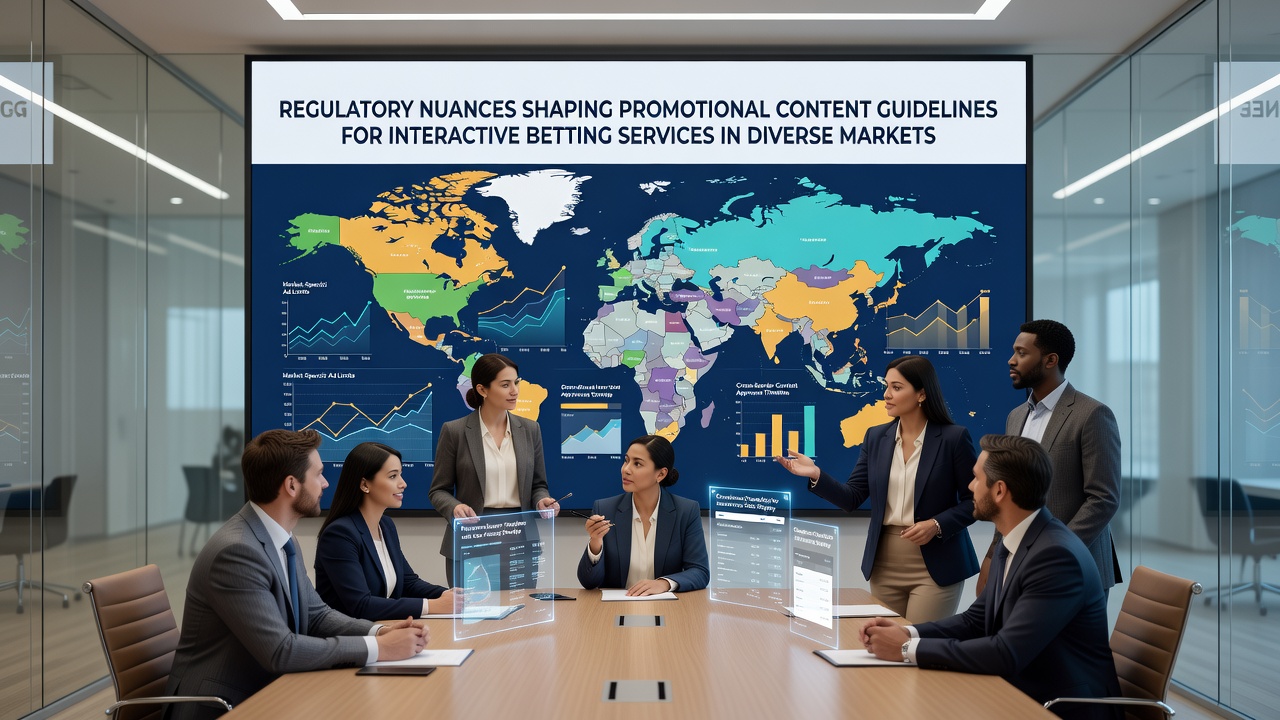
Regulatory frameworks across different regions impose distinct requirements on how interactive betting services present promotional offers, bonus structures, and marketing messages to users, and operators must navigate these variations to maintain compliance while reaching audiences in multiple markets. These guidelines often specify mandatory disclosures about wagering requirements, eligibility criteria, and time limits on promotions, yet the exact phrasing and placement of such information differs substantially depending on the jurisdiction involved.
Regional Variations in Advertising Standards
Markets in North America demonstrate how state-level and provincial rules create layered obligations for content creators. In Ontario, for instance, the Alcohol and Gaming Commission of Ontario requires that promotional materials include clear statements about the odds of winning alongside any advertised bonuses, and operators must ensure these disclosures appear in the same visual field as the main offer. Meanwhile, several U.S. states enforce additional restrictions that prohibit language suggesting guaranteed wins or implying that betting activity improves financial outcomes, forcing services to adjust copy when expanding across state lines.
European jurisdictions outside the United Kingdom apply their own sets of constraints that focus on consumer protection and data usage. Certain countries mandate that all promotional emails and in-app messages carry prominent responsible gambling links, and they limit the frequency of bonus-related notifications to prevent excessive contact with users. These rules intersect with broader digital marketing regulations that govern consent mechanisms, which means interactive platforms often redesign their signup flows and notification systems to satisfy multiple overlapping requirements at once.
Asia-Pacific Approaches to Inducement Controls
Australia and several neighboring markets have introduced targeted limits on inducements that shape how betting services can advertise free bets or deposit matches. Regulators there typically require that any promotional claim about potential returns must be accompanied by equally prominent warnings about the risk of loss, and they monitor advertising on social media platforms with particular scrutiny. Operators entering these markets frequently revise their creative assets to replace high-pressure calls to action with more measured phrasing that aligns with local expectations around balanced messaging.

Research indicates that similar patterns appear in parts of Southeast Asia where interactive services operate under conditional licenses. Local authorities often review advertising materials before they go live, and they reject campaigns that emphasize rapid payout times without also highlighting verification procedures required to claim winnings. This pre-approval process encourages services to build standardized templates that can be localized quickly while preserving core compliance elements across campaigns.
Operational Challenges for Cross-Border Services
Interactive betting platforms serving users in multiple countries encounter practical difficulties when aligning promotional calendars and creative assets with shifting regulatory expectations. A bonus structure that satisfies disclosure rules in one jurisdiction may violate terminology restrictions in another, which leads many operators to maintain separate content libraries for each active market. Data from industry reports compiled in early 2026 shows that companies allocate increasing portions of their compliance budgets to real-time monitoring tools capable of flagging language that drifts out of alignment with updated guidelines.
June 2026 brought additional updates in several jurisdictions, including revised guidance on how services may reference loyalty programs within promotional materials. These changes emphasize the need for transparent point-earning mechanics and redemption conditions, prompting operators to update in-app banners and email sequences to reflect the new phrasing standards. Observers note that services with modular content management systems adapted more rapidly than those relying on static templates, highlighting the operational advantage of flexible publishing infrastructure.
Emerging Patterns in Enforcement and Guidance
Authorities continue to refine their approaches to influencer partnerships and affiliate marketing, areas where promotional content often appears outside direct operator control. Recent directives require operators to include audit clauses in affiliate agreements and to monitor third-party posts for compliance with the same disclosure rules applied to owned channels. This expanded oversight has encouraged the development of shared industry resources that track acceptable phrasing across regions and flag potential issues before campaigns launch.
Those who have studied these developments point out that the pace of regulatory change shows no sign of slowing, particularly as interactive services incorporate new features such as live dealer streams and in-game betting options. Guidelines governing promotional content must evolve alongside these product innovations to address how bonus offers interact with real-time gameplay mechanics and session-based rewards.
Conclusion
Regulatory nuances surrounding promotional content for interactive betting services reflect the broader diversity of legal and cultural expectations that shape gambling markets worldwide. Services operating across borders invest considerable resources in monitoring, adapting, and documenting their marketing practices to satisfy these varied demands. As new guidance emerges and existing rules receive clarification, the ability to maintain compliant promotional materials remains a central operational priority for platforms seeking sustained presence in multiple jurisdictions.