Shifting Landscapes of Player Engagement Through Seasonal Event-Based Challenges in Virtual Casino Settings

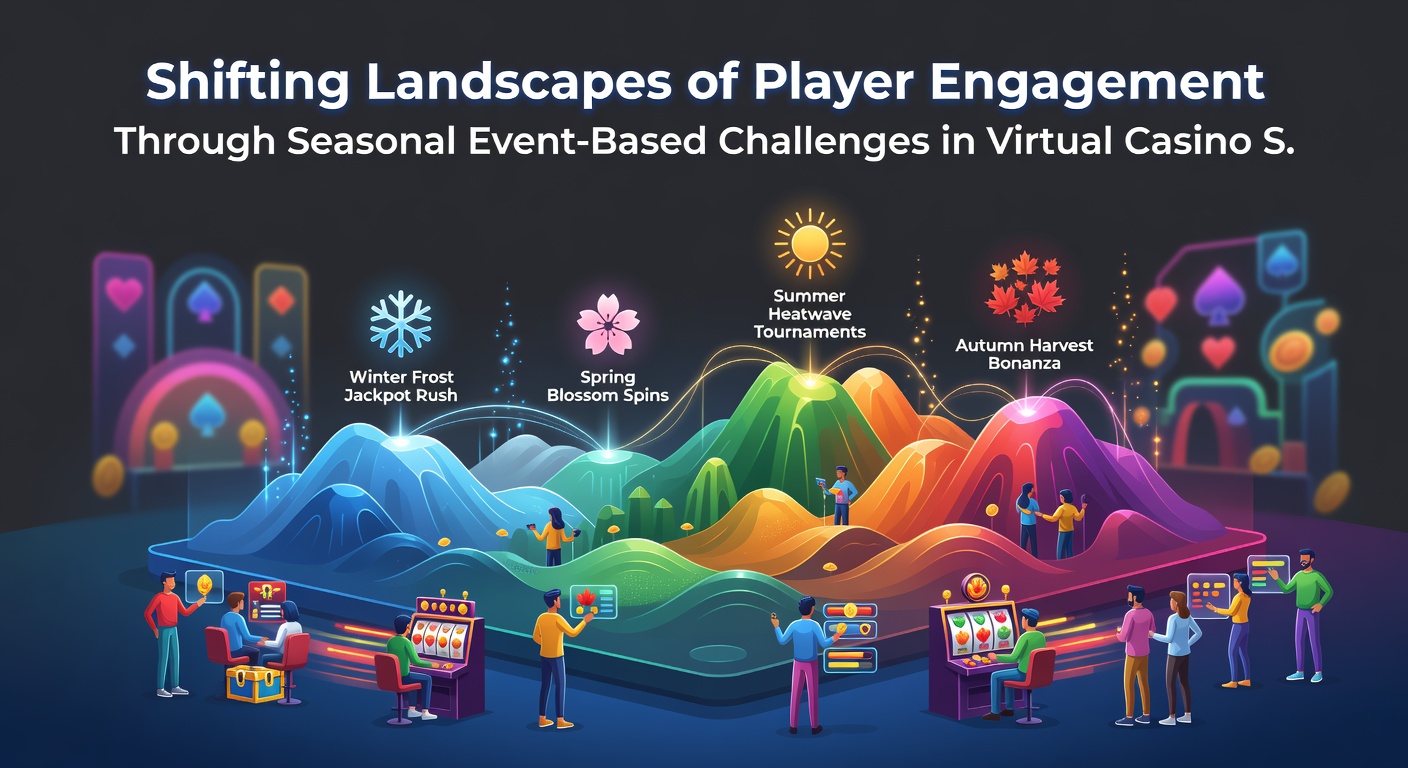
Virtual casino platforms have integrated seasonal event-based challenges as core mechanisms for sustaining player participation across fluctuating periods of the year, and operators now schedule these activations to align with holidays, weather shifts, and cultural milestones. Data from industry reports shows that participation rates climb when limited-time objectives reward consistent logins, completion of themed missions, and community leaderboards that reset with each new season. Platforms adjust reward structures so that daily login streaks combine with larger quests, such as accumulating points through specific game types during a winter festival window or a summer beach-themed series.
Mechanics Behind Seasonal Activations
Developers design these challenges around modular systems that pull from existing game libraries while layering temporary overlays, and players often encounter progress bars that track contributions toward collective goals like unlocking bonus rounds for everyone once a server-wide target is met. Research indicates that retention metrics improve when events incorporate both individual milestones and group achievements, because the social element encourages repeated visits without requiring constant new content creation. Operators track completion percentages in real time, then fine-tune difficulty curves mid-event to maintain momentum across different player segments.
Regional Patterns and Data Trends
Figures from the Nevada Gaming Control Board reveal seasonal spikes in virtual table game volume during major U.S. holiday periods, while Canadian provincial regulators report similar lifts in slot tournament entries tied to autumn harvest themes. Platforms operating across multiple jurisdictions synchronize some global events yet localize others, such as adding region-specific cultural motifs during spring renewal periods in one market and harvest festivals in another. Observers note that cross-border operators maintain separate compliance calendars so that promotional mechanics remain within each territory's advertising and bonus rules.
Integration with Live and Asynchronous Play
Many seasonal events blend live dealer sessions with asynchronous tasks that players finish on mobile during commutes or breaks, and this hybrid approach allows platforms to stretch engagement windows beyond peak evening hours. Tournaments often run on accelerated schedules during the first and last weeks of each event cycle, creating urgency that data shows correlates with higher average session lengths. Players receive notifications that highlight remaining time and personalized progress, which helps convert casual visitors into repeat participants who return specifically for the limited rewards.
Examples from Recent Cycles
Take one major operator that launched a multi-week spring renewal event in 2025 featuring daily plant-growth metaphors tied to slot multipliers, and completion rates exceeded internal forecasts by combining simple login tasks with deeper collection mechanics. Another platform introduced a winter sports bracket challenge that let players predict outcomes across virtual table games, with brackets advancing based on collective participation rather than individual wins alone. These cases illustrate how themes drawn from real-world calendars help operators refresh familiar games without altering core mathematics.
Looking Toward May 2026 Developments
Industry schedules indicate several platforms will debut refreshed seasonal frameworks in May 2026 that incorporate dynamic weather data feeds to adjust in-game environments automatically, and early testing suggests these responsive elements increase time-on-site during shoulder seasons. Regulatory updates in multiple North American markets continue to shape how operators disclose event odds and reward probabilities, while academic studies from institutions such as the University of Nevada track longitudinal effects on player behavior across consecutive event cycles. One analysis released in late 2025 found that structured seasonal challenges correlate with steadier deposit patterns compared to standalone promotions that lack recurring structure.
Measurement and Optimization Practices
Operators employ A/B testing on reward tiers and notification timing to identify combinations that sustain engagement without accelerating play beyond comfortable limits, and third-party analytics providers supply dashboards that break down participation by demographic and geographic slices. Those who study these systems note that successful events maintain clear rules from start to finish, because ambiguity around scoring or eligibility tends to reduce completion rates in subsequent cycles. Continuous iteration allows platforms to carry successful mechanics forward while retiring underperforming elements before they affect overall perception.
Conclusion
Seasonal event-based challenges continue to reshape how virtual casino environments maintain player attention through structured, time-limited objectives that blend individual progress with communal milestones, and ongoing data collection from regulatory bodies and research institutions supports iterative improvements in design. As platforms prepare for cycles beginning in May 2026, the focus remains on aligning mechanics with both player expectations and jurisdictional requirements across varied markets. This approach keeps engagement patterns adaptable while preserving core gameplay integrity.